 Beon Diamond
The Johan Glasses
Beon Diamond
×
Joe Flizzow
Packaging, design language
and build proposal
and build proposal
Scroll
Zero Degrees
21 August 2026
21 August 2026
Beon Diamond
It's the only diamond you're
allowed to touch, take apart,
and put back in your own order.
In 2020 he named an album after himself. Not Joe Flizzow. Not The President. Johan.
He described it as a plain white t-shirt — everything stripped out, no production to hide behind, just the name he was born with. And he framed the whole record as one question:
“How do I make a
white t-shirt dope?”
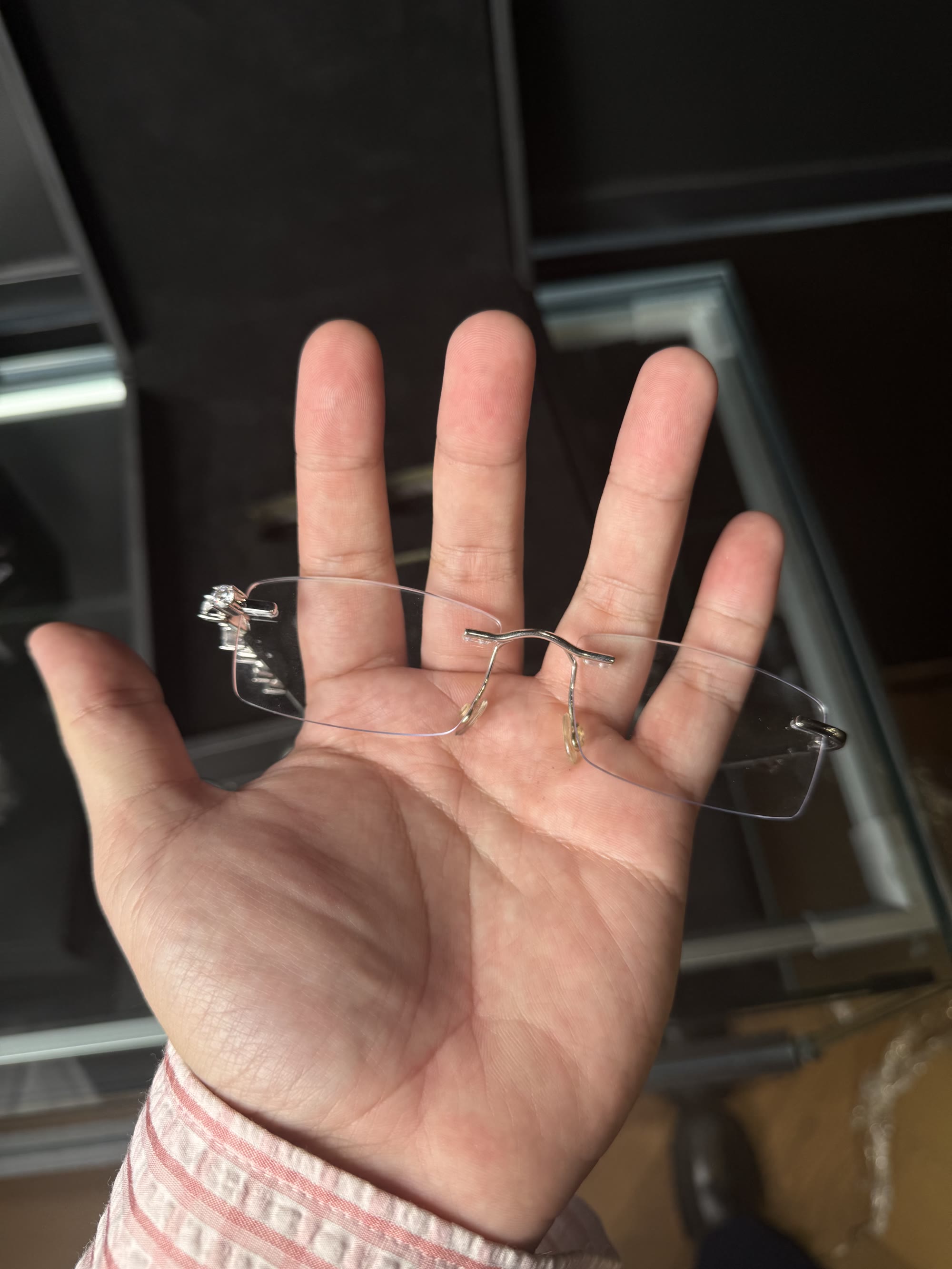
Six years later we are holding a rimless frame. No acetate. No colour. No logo on the face. From the front, at conversational distance, you barely see it at all.
It is the plain white t-shirt of eyewear.
And what makes it dope is a row of diamonds you arrange yourself.
The product is a physical restatement of the thesis of his own album. That isn't a stretched insight — it's the same idea in two media, six years apart. The name should say so.
Why not Joe Flizzow
Joe Flizzow is the stage name. The President is the title the industry ratified. Both are things he was given, or things he built. Johan is what he was called before any of it. This is a product about what a man does with what is already his.
Why not a description
The Millionaires weren't called Gold Brow Aviators. The name described the buyer's ambition, not the object. A definite article makes a thing canonical — The Johan Glasses reads as permanent, not as a drop.
Where it grows
Diamond cuts are named after whoever invents them. Asscher. Ashoka. Royal Asscher. That is a real trade convention — so The Johan Cut is available to us as the name of his sequence, sitting inside the object's name. The glasses are the thing. The cut is his arrangement of it.
The Johan Glasses — the object, and the collection.
The Johan Cut — the six-stone sequence he personally sets, engraved on the card in the lid.
Your cut — what you do with the screwdriver after that.
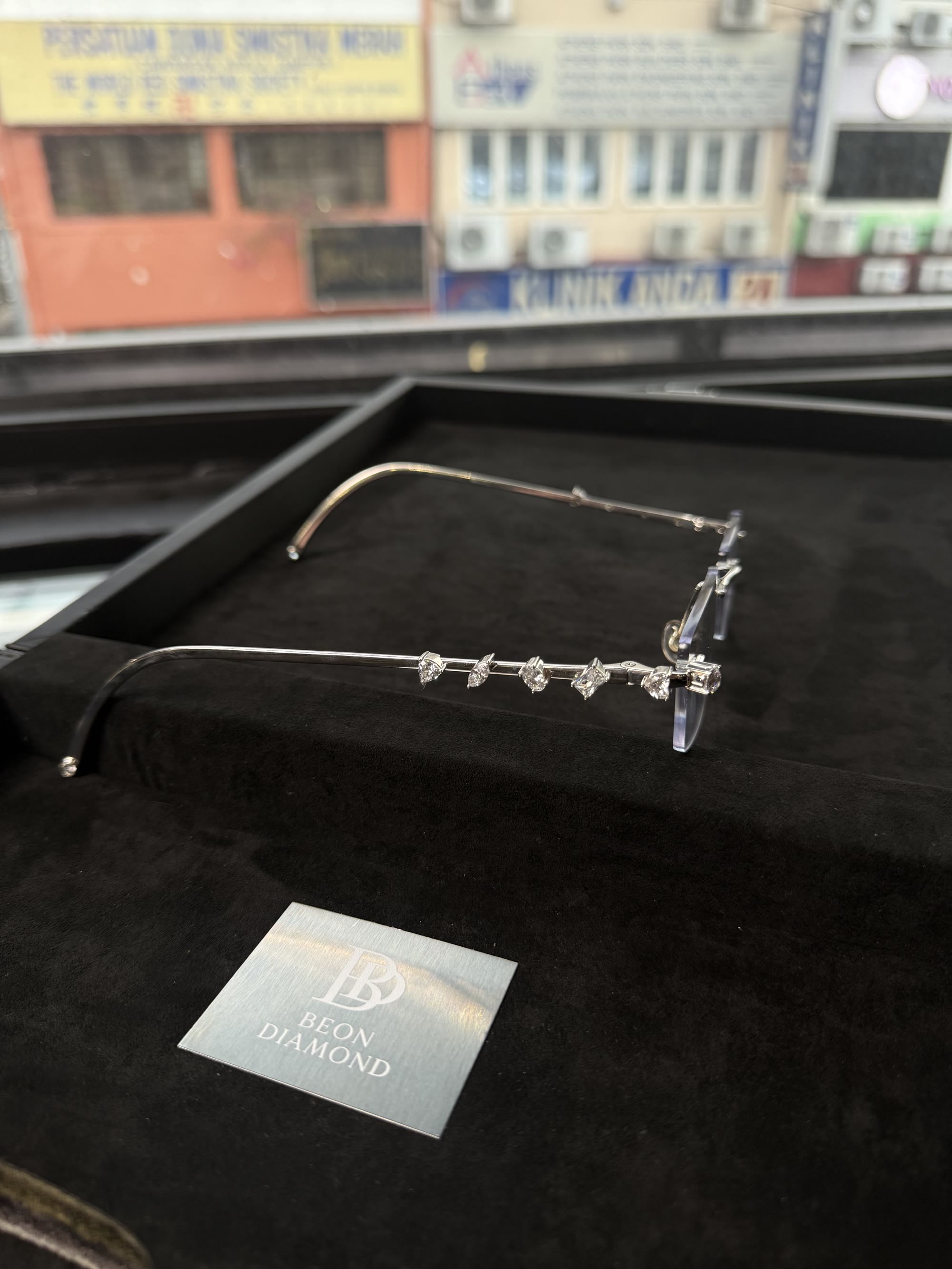
A rimless, drill-mount frame. The lenses screw straight onto the bridge and endpieces. Thin, straight, polished white-metal temples.
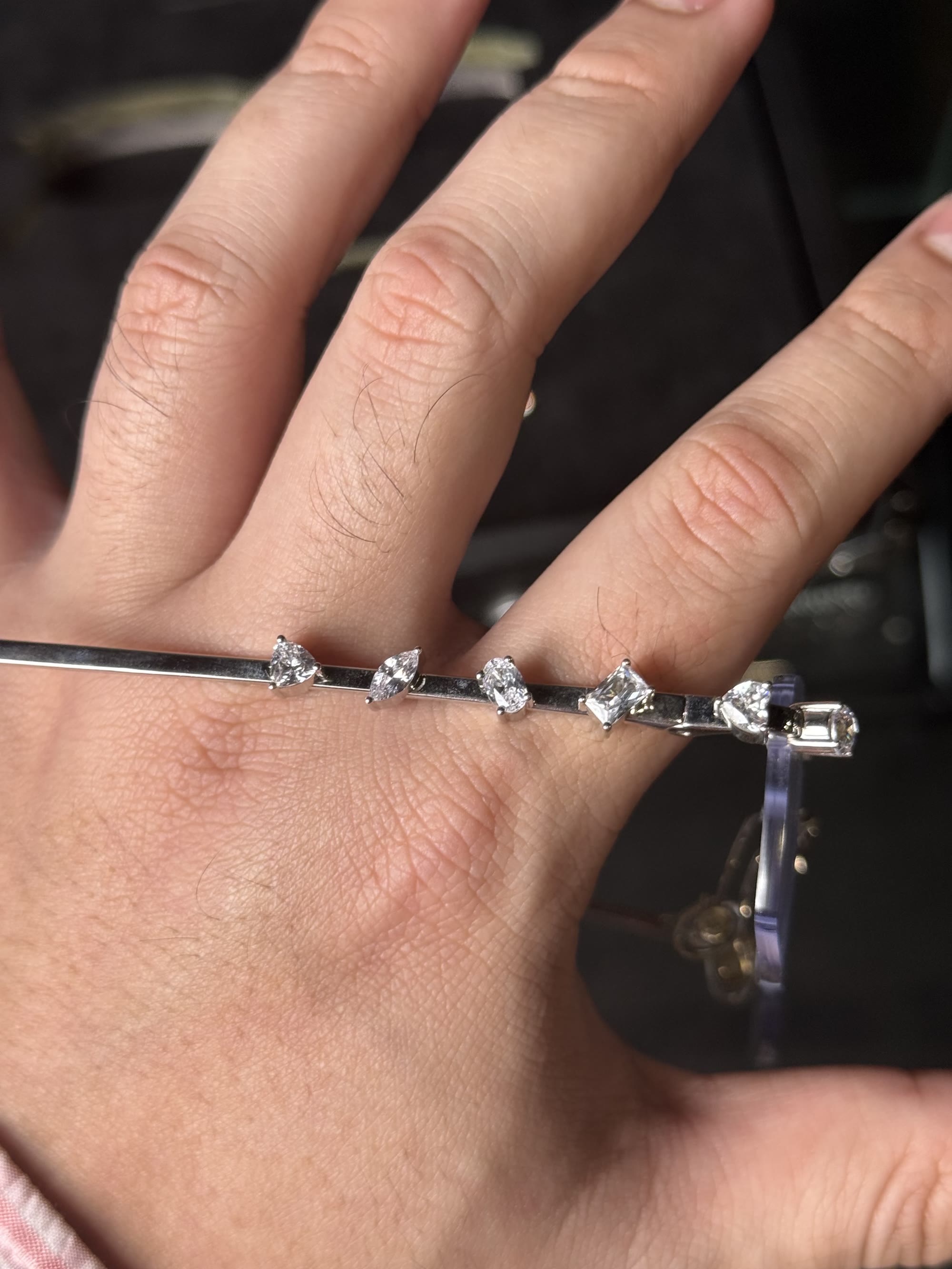
Each temple carries a row of prong-set diamonds, and every single one is a different cut — running from the hinge back toward the ear. A bezel-set round brilliant caps the very tip: a full stop at the end of the sentence.
The face is deliberately blank. No logo on the lens, nothing on the front. Everything it has to say, it says from the side.
| Cut | Character | Line |
|---|---|---|
| Emerald | The step-cut. Long, cool, sees straight through you. | No sparkle. Just clarity. |
| Heart | The one that gives it away. | Even the President's got one. |
| Radiant | Square shoulders, sixty-something facets, all noise. | Loudest one in the row. |
| Oval | Elongated brilliant. Makes everything look longer. | Stretches the bar. |
| Marquise | Two points, no apology. | Sharp both ends. |
| Pear | Half round, half point. Can't decide, doesn't need to. | Both, at once. |
Six cuts, six characters — a six-post social series, six film beats, or six lines of engraving. Ask him to pair each with a track from his catalogue; that conversation is itself a piece of content, and it films.
Arrange it yourself
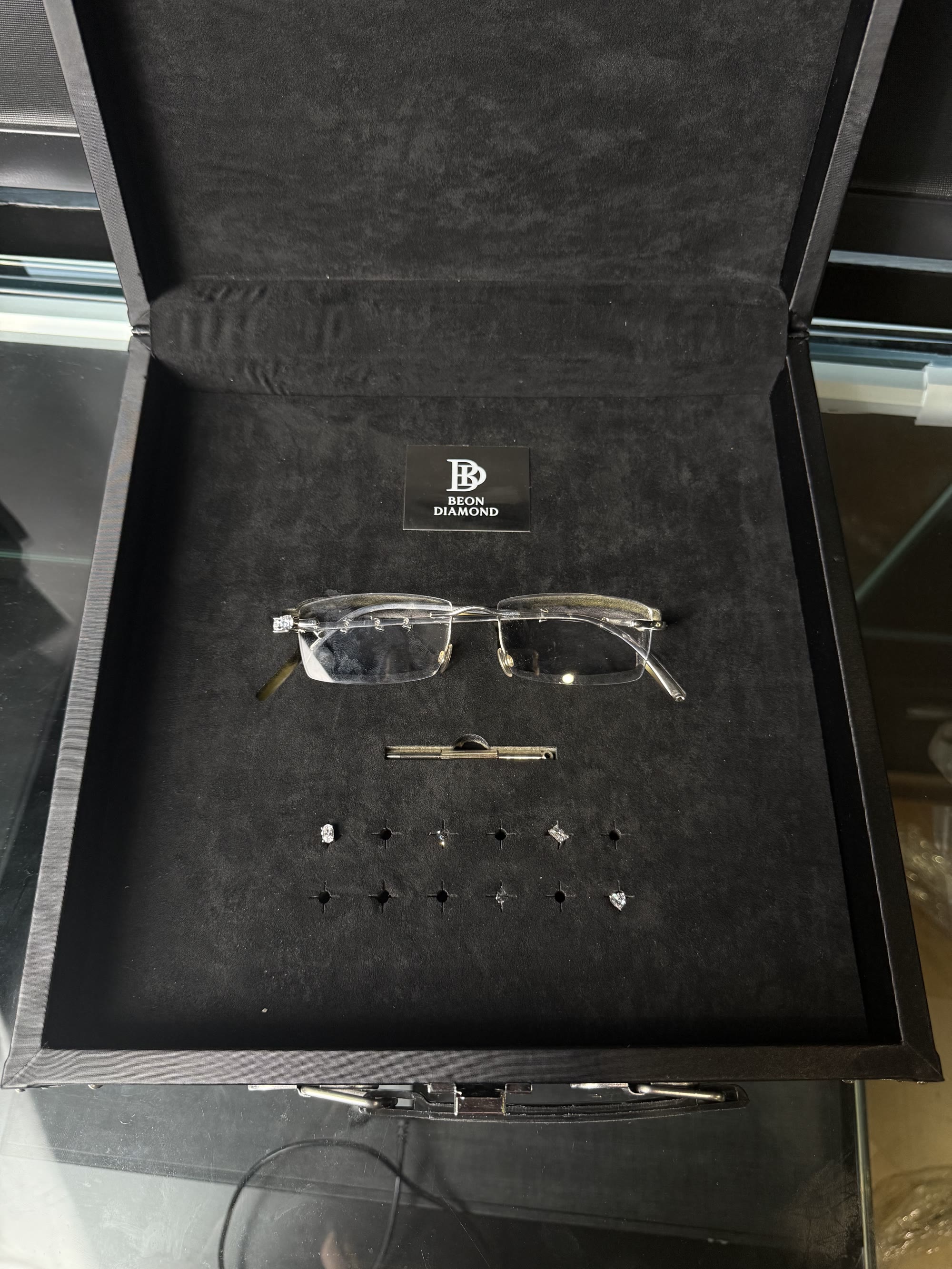
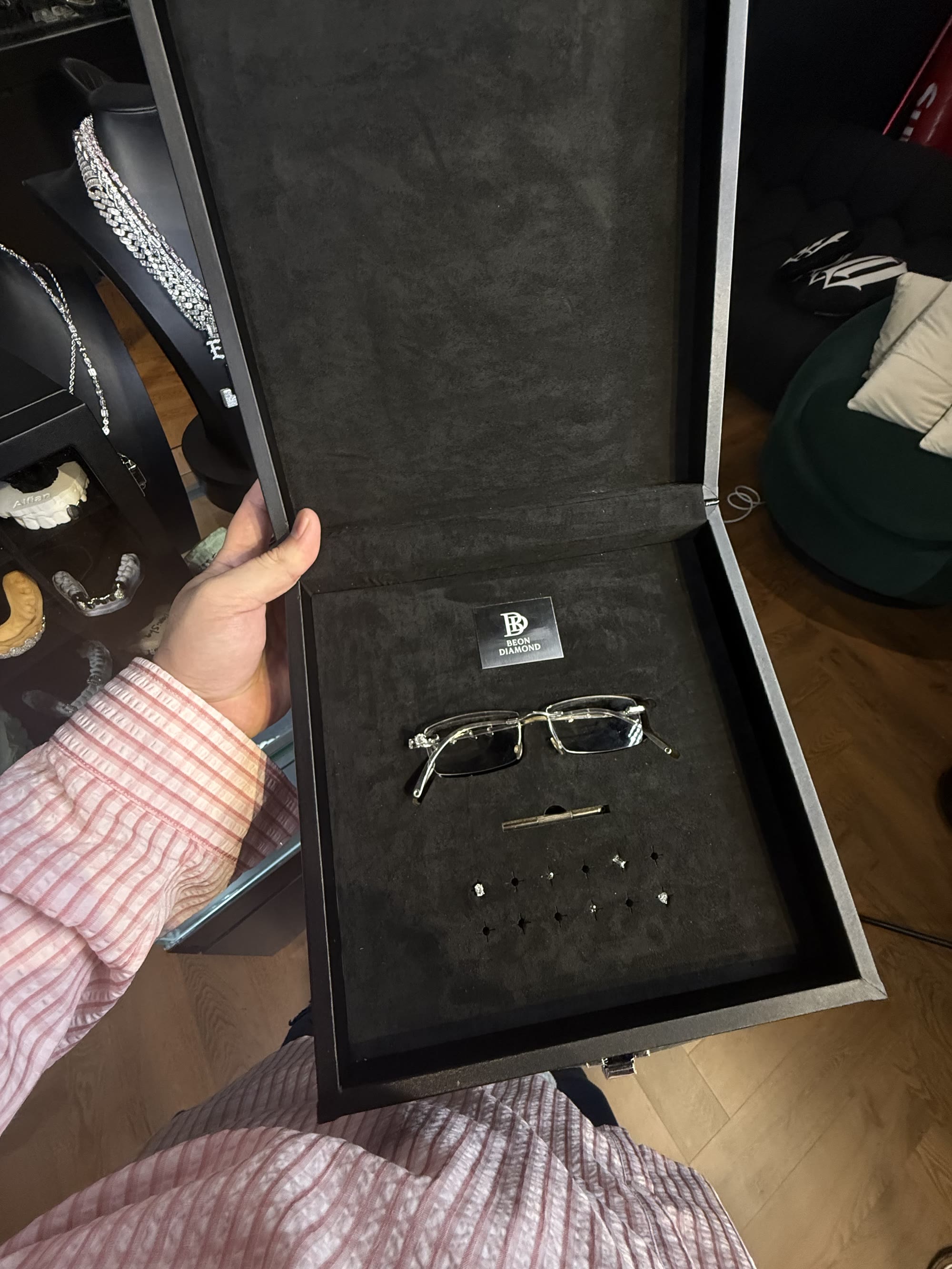
Twelve stones in the tray. Six seats on each side. One jeweller's screwdriver, two bits, sitting in its own die-cut channel.
Fine jewellery is set once, permanently, by a stranger, and you are never supposed to interfere with it. This hands you the screwdriver.
Try it — tap one stone, then another, to swap their seats
*Twelve distinct stones filling six ordered positions = 665,280 arrangements per side. Do not publish this figure until the kit contents are locked — it depends entirely on how many spare stones actually ship.
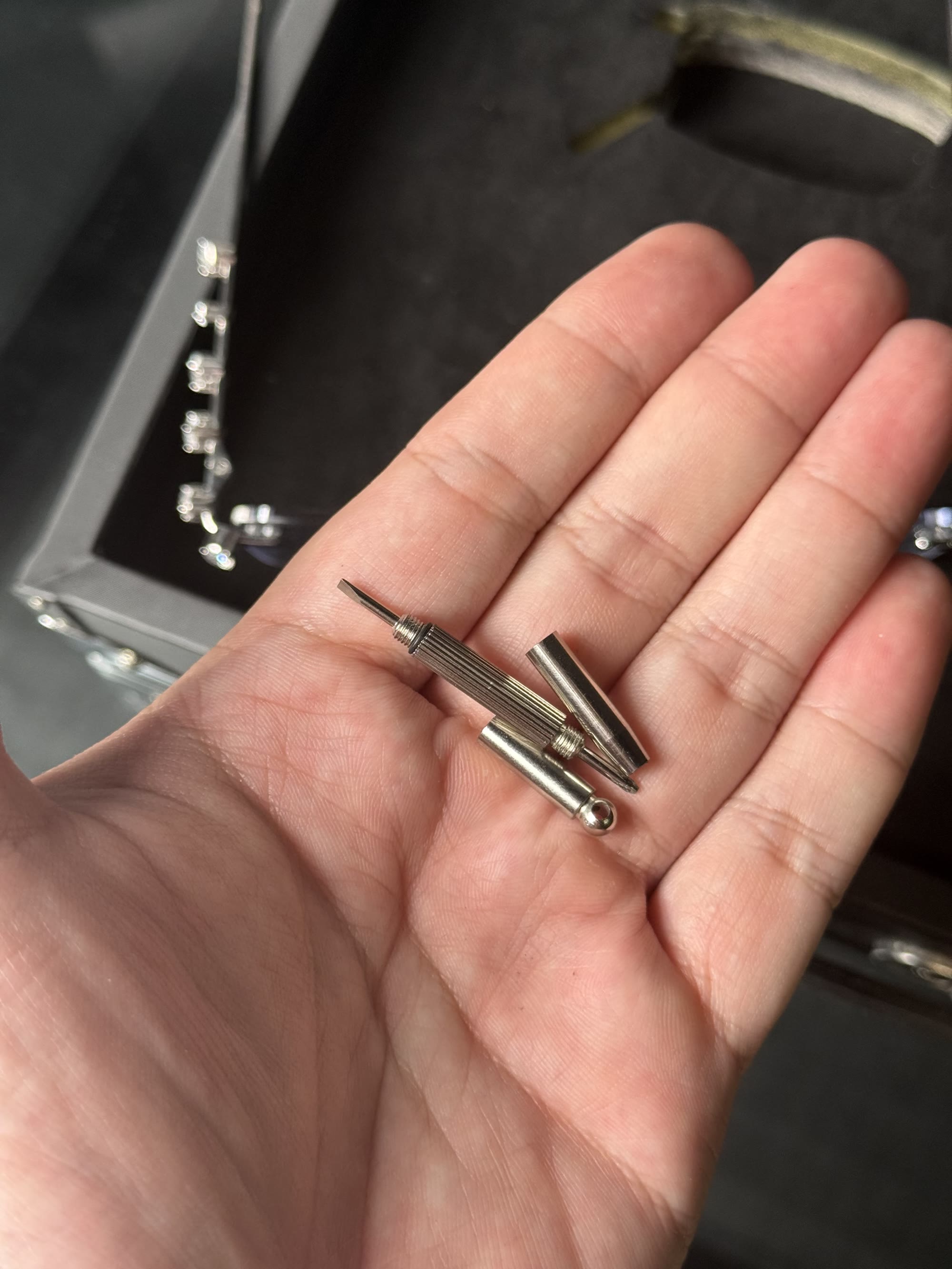
We set it once. After that, it's yours.
There is no good English word for this. “Bespoke” means a stranger made it to your measurements — the opposite of what happens here. Which is exactly why susun sendiri is doing so much work, and why it should be the umbrella line: it is an instruction, and instructions survive translation into every format we'll need. End-card. Box card. Caption. Engraving. Invitation.
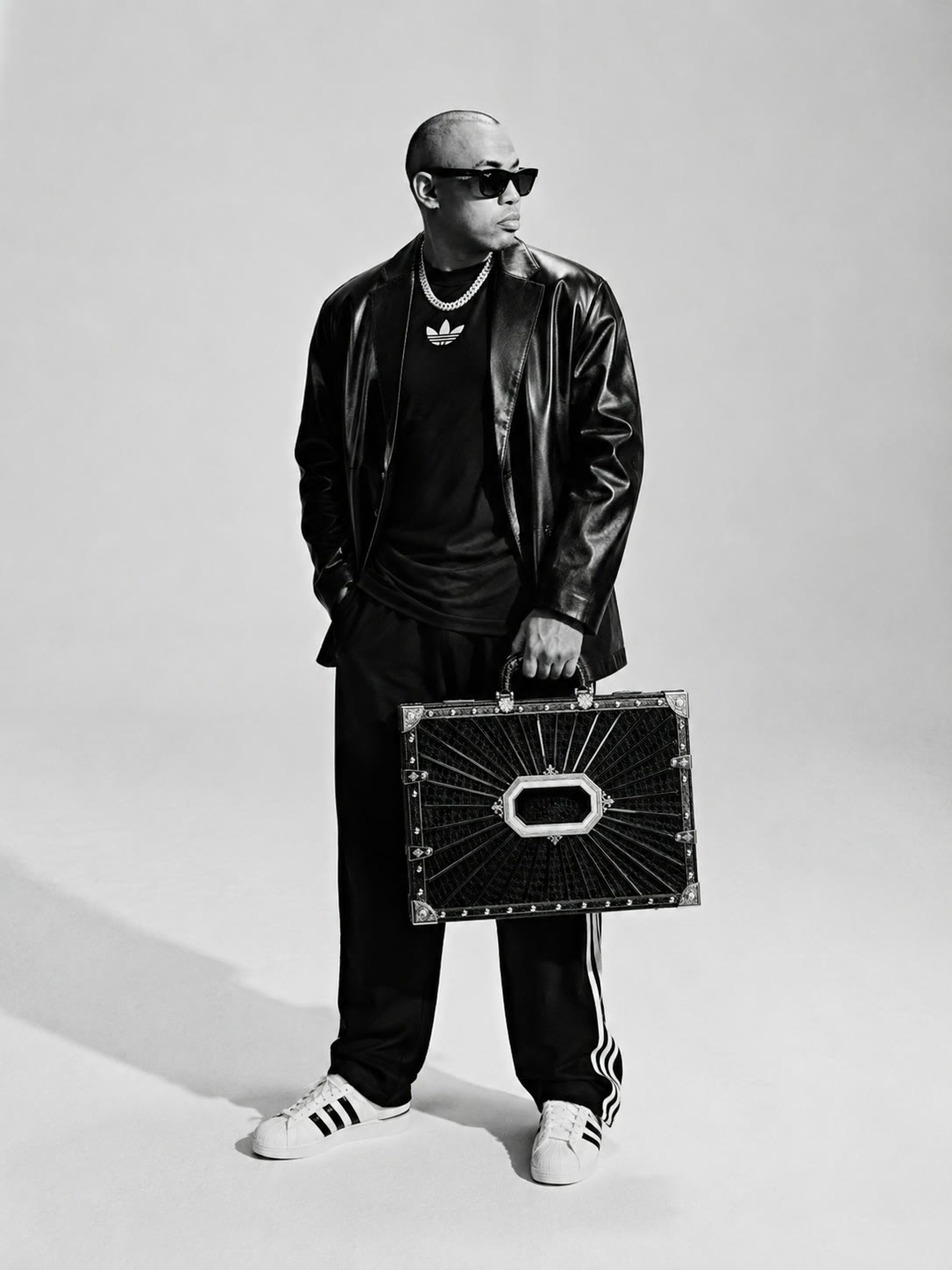
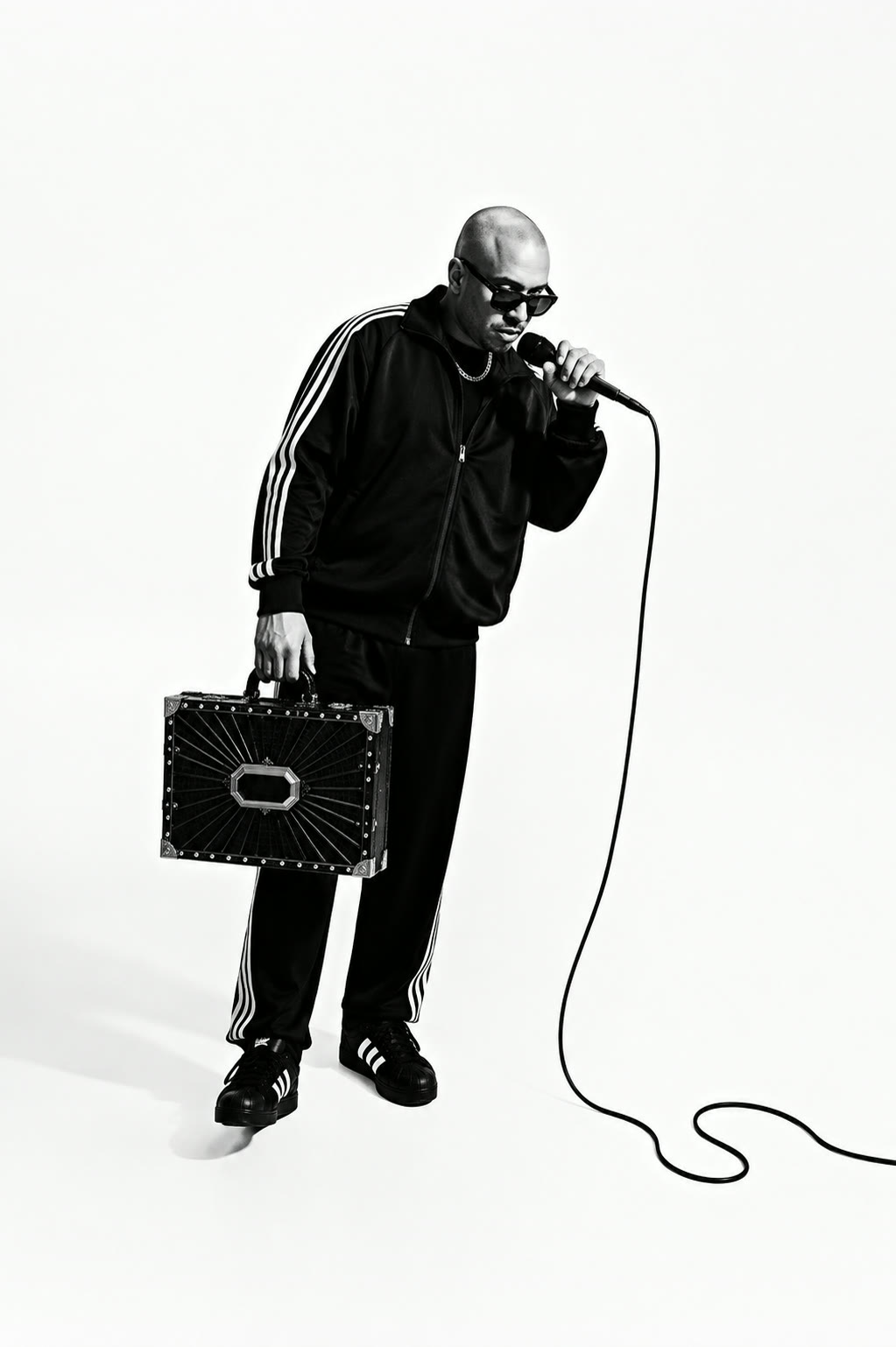
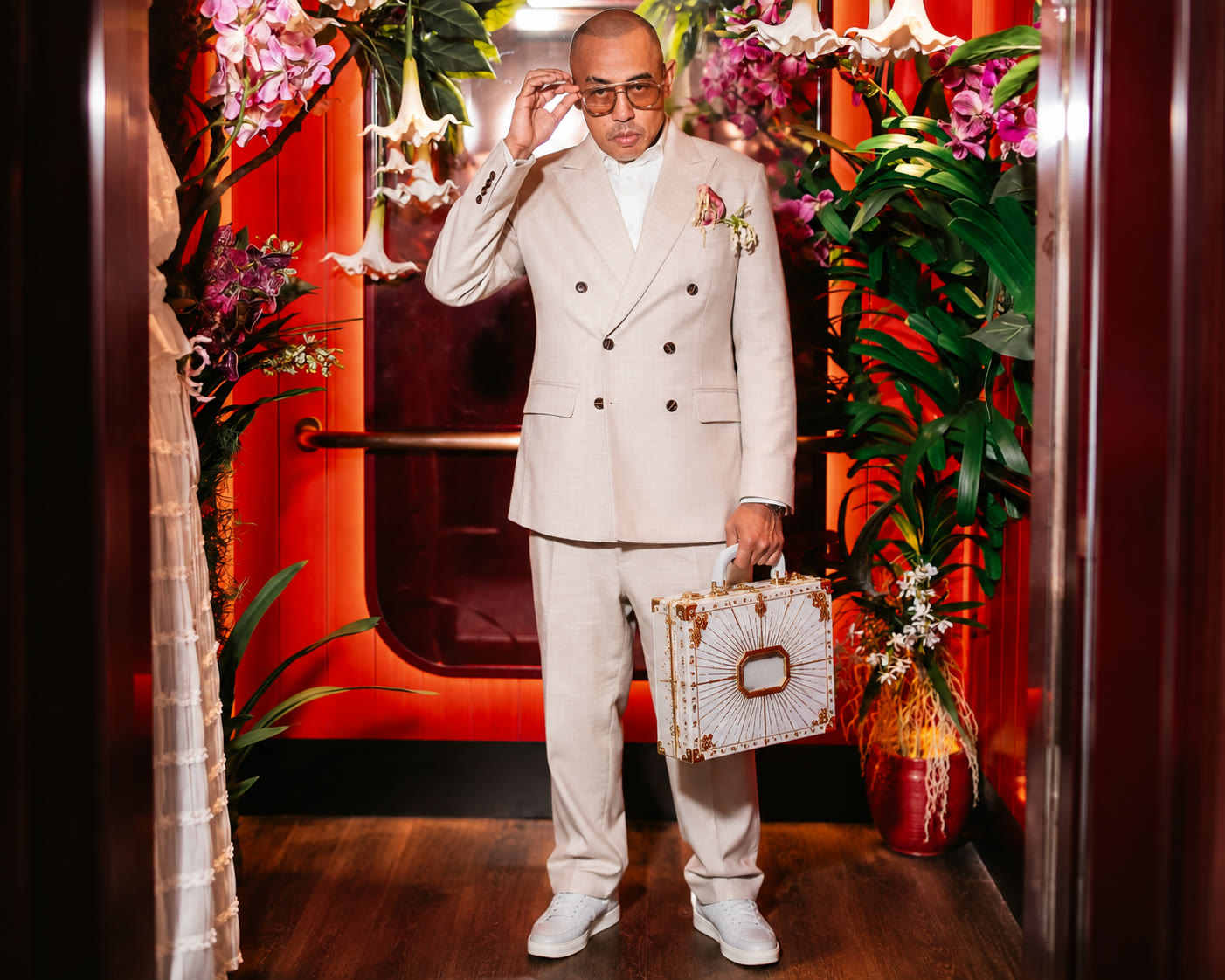
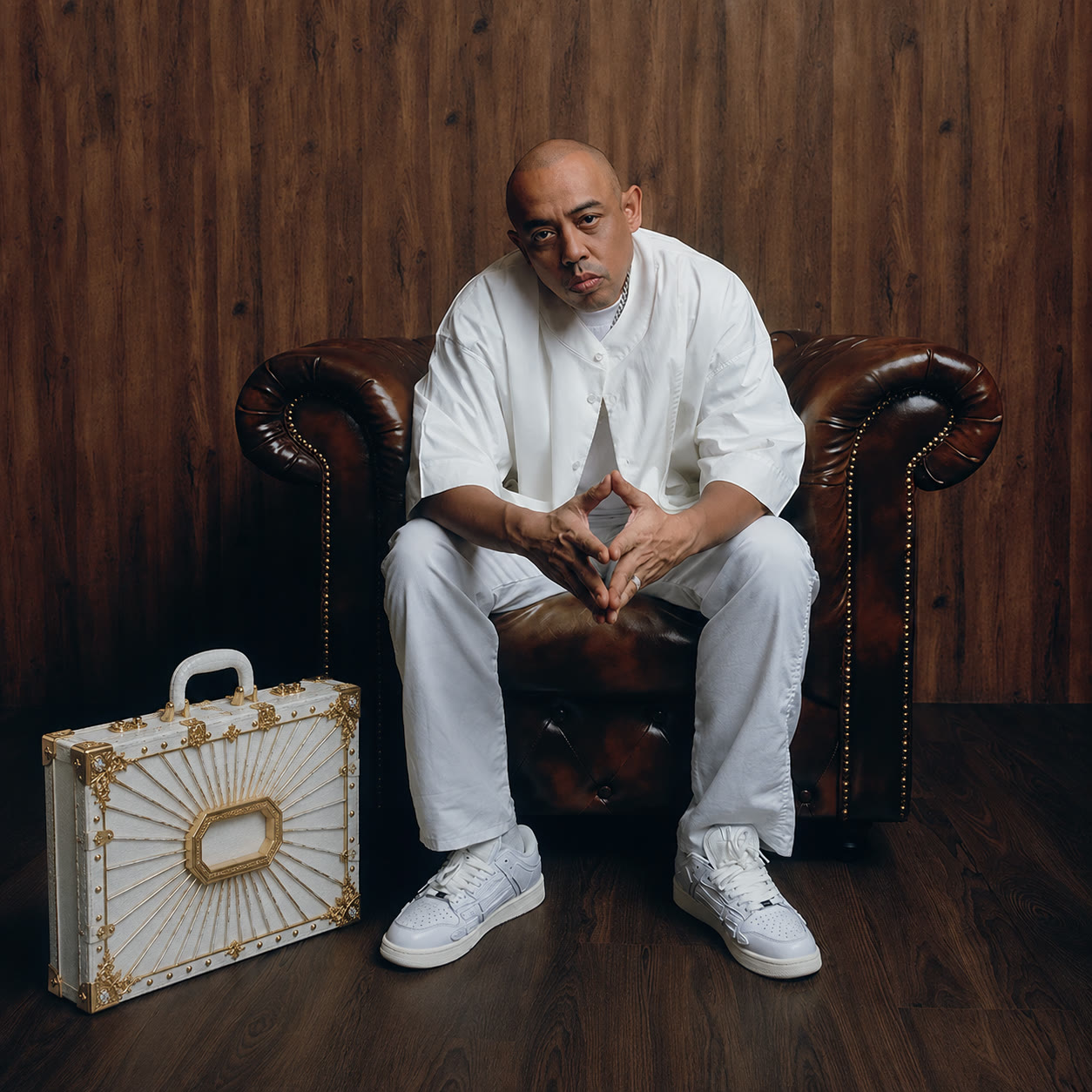
The archetype is fixed and it is right: a trunk-format attaché. Studded border, corner brackets, edge banding, twin latches, top handle. An object you carry, not one you shelve.
It photographs beautifully and it films even better. Everything below is a treatment of the lid — because the lid is the only part anybody will ever photograph.
Lid A — The Sunray
Light leaving a cut stone. Spokes radiate from a central elongated octagon — the outline of an emerald cut, the first stone in the row. On the glazed variant that octagon is real glass. You look through the lid, the way you look through a lens.
Corner brackets carry acanthus scroll set with crystals; fleur ornaments punctuate the spokes; the border runs dome studs on engraved banding.
Lid B — The Gate
Wrought-iron filigree across three panels. The BD ligature sits in a roundel at the centre; his signature runs in a cartouche below it. Plain chrome corner caps instead of brackets — heavier, more architectural, more Beon.
This one reads as a door. You are not opening a box; you are being let in. It is the stronger heritage statement and the weaker product statement.
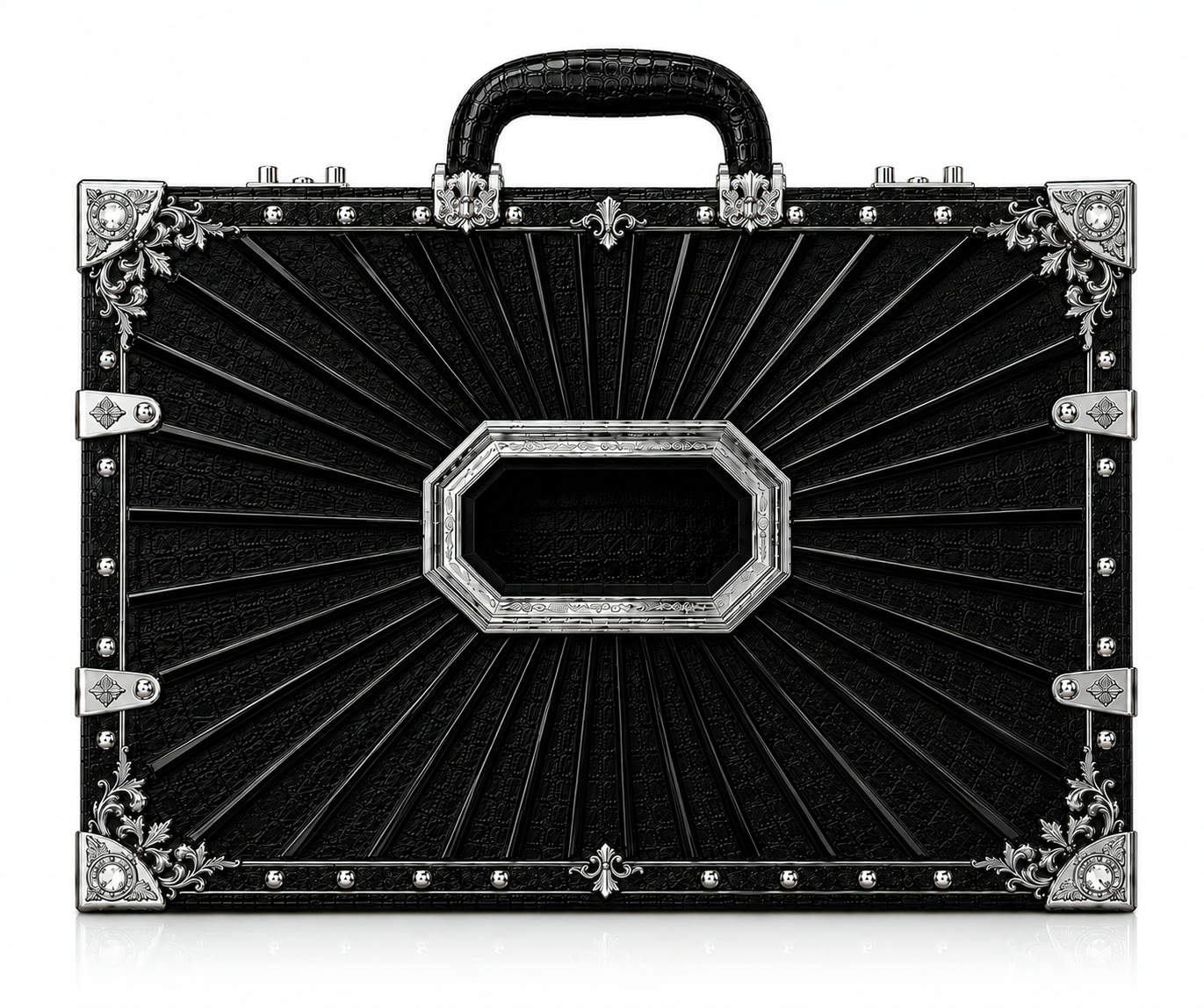
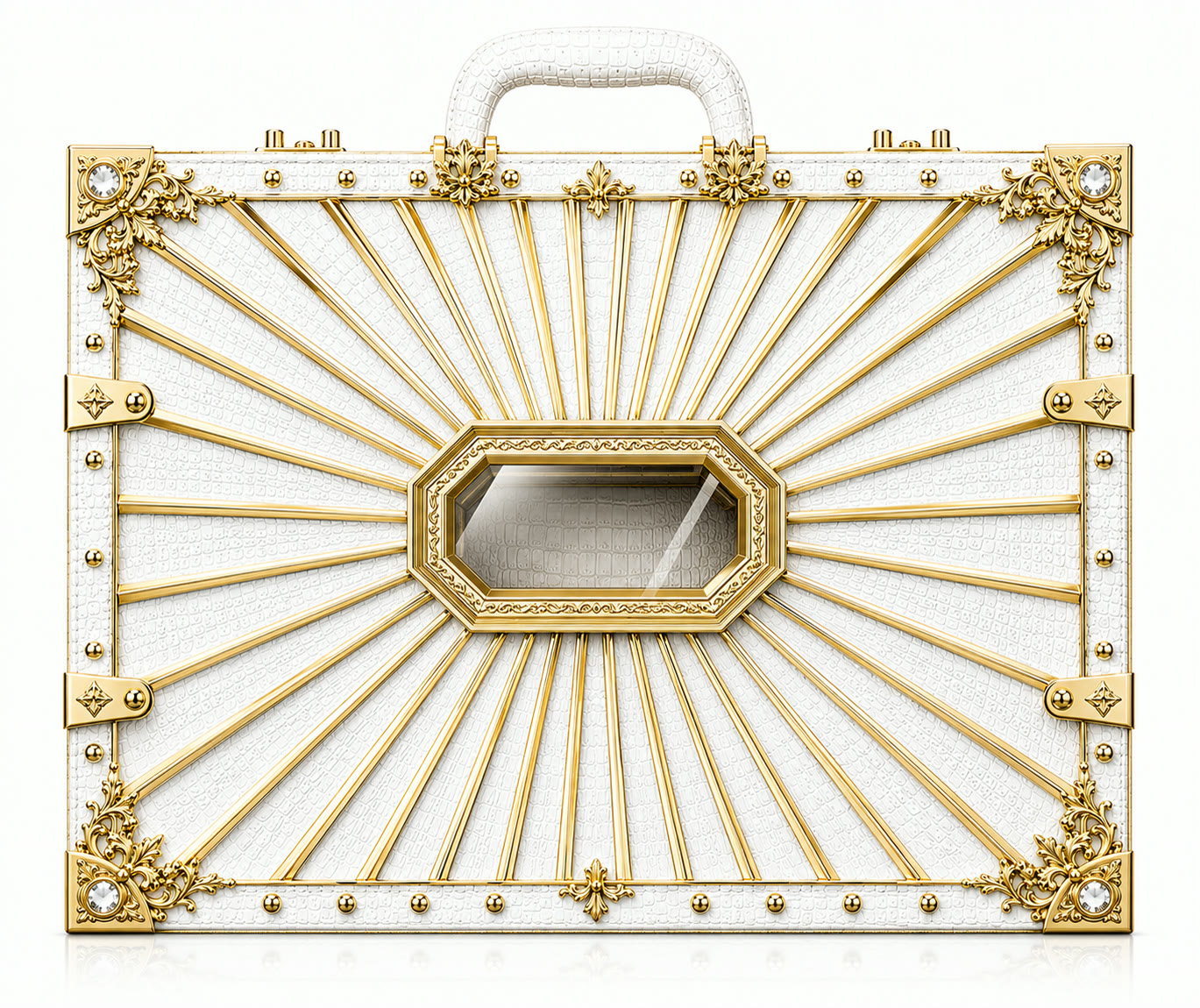
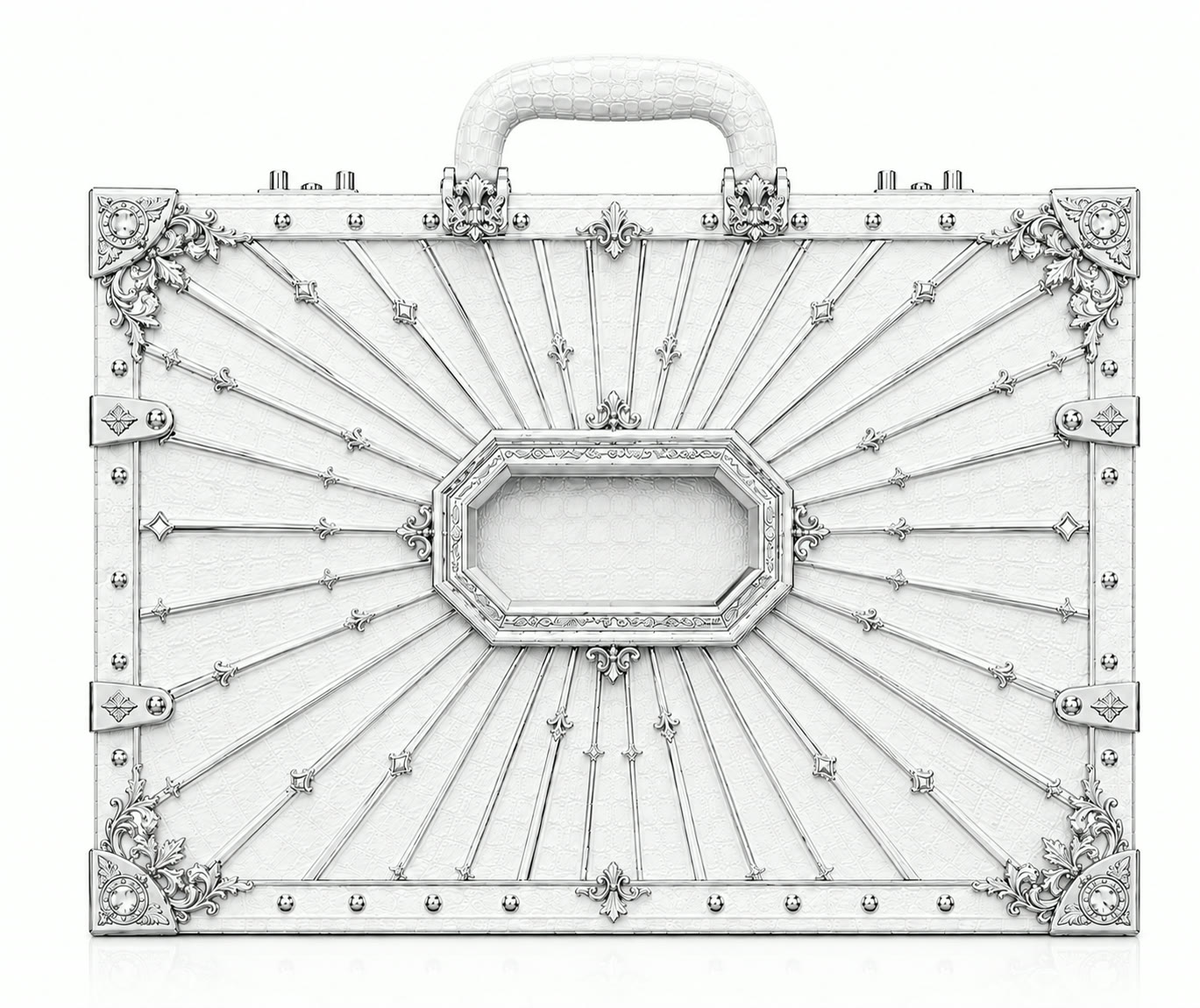
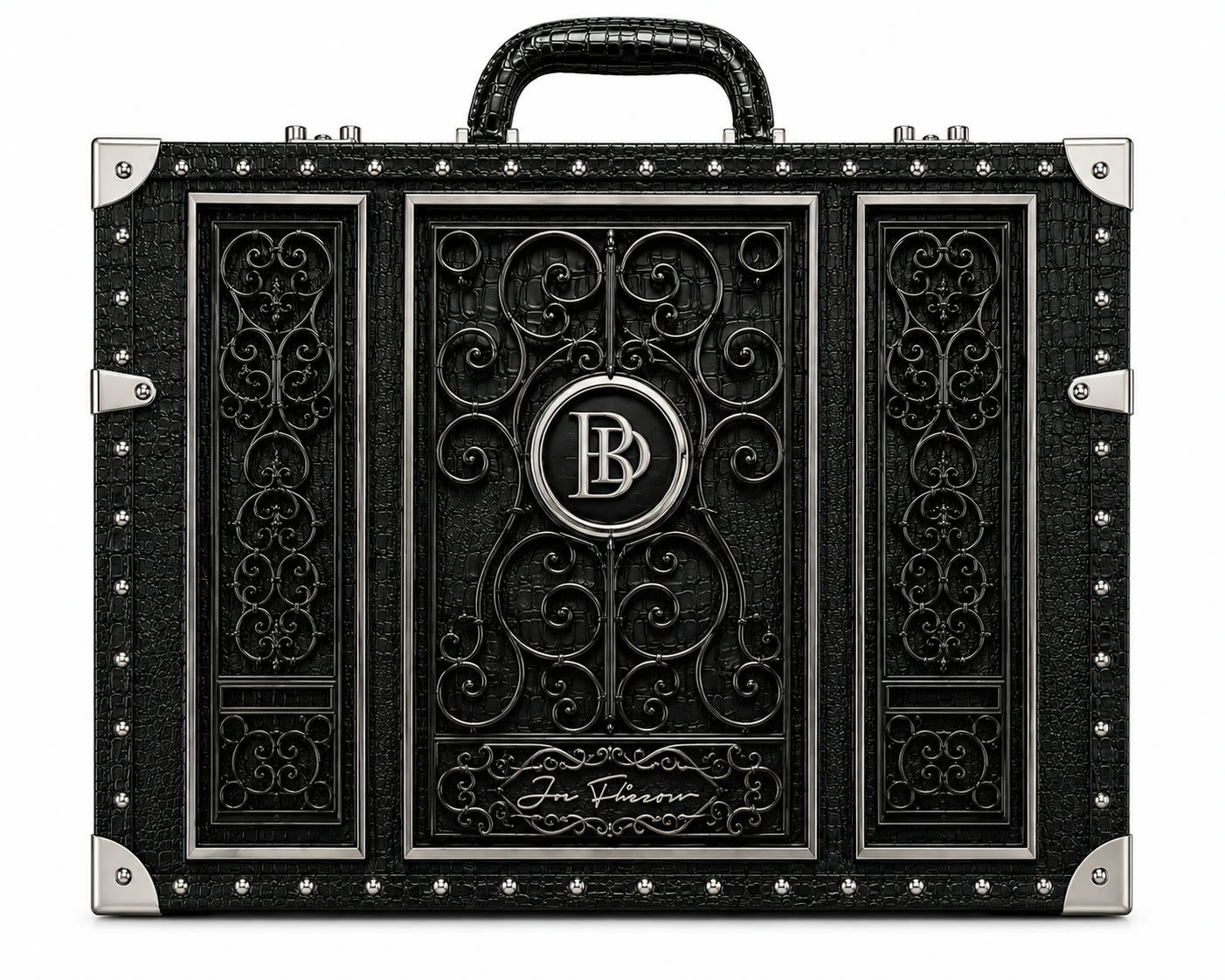
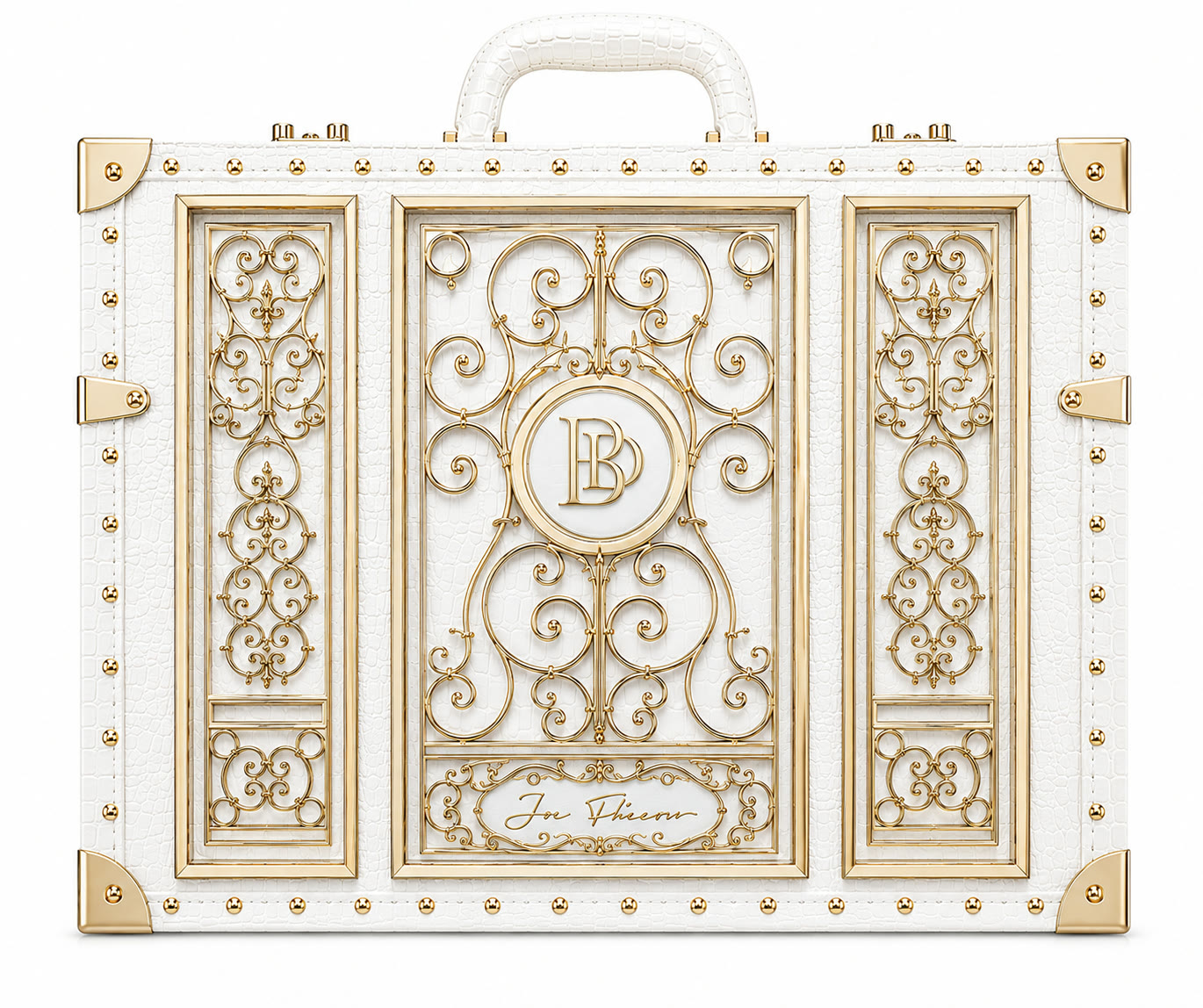
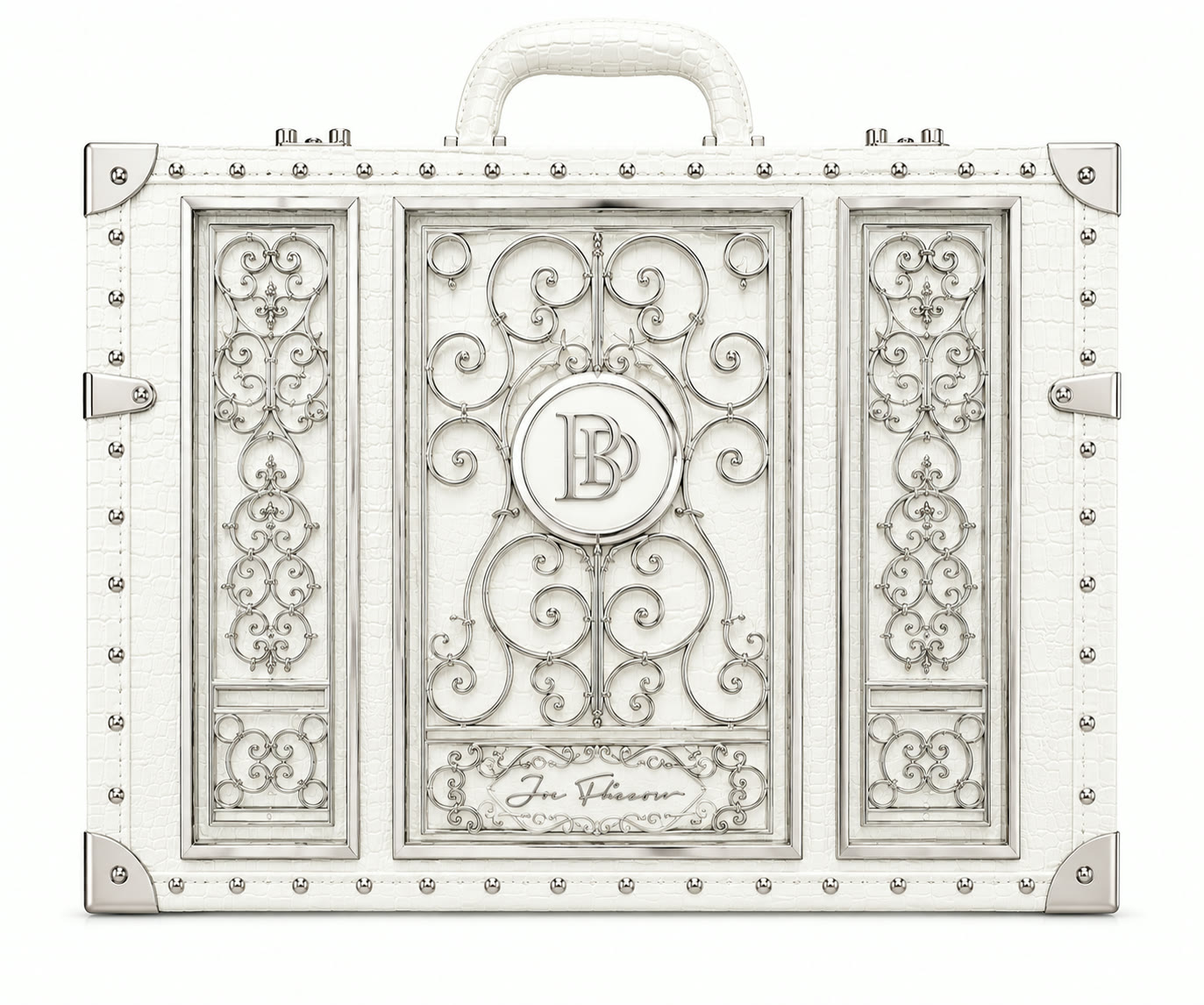
The Sunray. Black on silver. Glazed.
Three reasons. One: the sunray is the product's own idea at furniture scale — light through a cut stone. Two: the glazed octagon makes the lid a lens, so the case becomes a pair of glasses you carry, and the packaging stops being a container and starts being an argument. Three: black-on-silver matches the object inside — white-gold temples, black microsuede — where the gold reads warmer than anything actually in the box.
Keep White / Gold as the top edition — platinum, colourless-flawless, numbered 001. That is where “The Presidential” lives, as an edition name rather than the collection name. White / Silver is the showroom and e-comm cut: clinical, jewellery-first, and it photographs on white without a shadow.
They are the packaging arm of a jeweller — not a packaging company that happens to sell to jewellers.
Their sister brand makes custom pendants and Cuban chains. Their hashtags are baguette diamonds and hip-hop jewellery. We will not have to explain what a diamond frame is, or why a tray needs to hold loose stones.
They caption their work “all photography is of the real product” — a deliberate no-renders claim. They exhibit at Jewellery & Gem World Hong Kong. Small account, serious work.
Sunray relief on croc-embossed leather. Glazed emerald-cut window at the centre. LED at the lid line, so the stones fire the moment it opens.
Die-cut glasses well, screwdriver channel, collab ID plate with the edition number. Full black microsuede.
Twelve cross-shaped slots, two rows of six, mounted on their concealed rotating mechanism. Twelve slots, twelve positions. The turn of the tray answers the turn of the screw.
Lifts away to a hidden drawer: certificate at album-sleeve size, a 10× loupe, a travelling pouch for the stones you aren't wearing, and a card you write your own sequence on.
Four layers. The case today has one, and it ends too fast. Every capability drawn here is already inside eazyBox's demonstrated range — the combination is what's new.
| Element | Specification | Note / question for eazyBox |
|---|---|---|
| Platform | Trunk Box series — their existing rigid trunk archetype | 20-unit MOQ at roughly 55% of one-off price. Confirm whether a customised silhouette holds that tier. |
| Body | Croc-embossed leather over rigid board, wrapped, contrast saddle stitch | Genuine, PU or recycled? Beon's positioning is “where luxury meets sustainability” — the answer has to survive a journalist. |
| Construction | Mechanically fixed in preference to glued | Ask directly. Repairable and disassemblable is the only honest reading of the sustainability claim. |
| Sunray spokes | Applied metal trim on a debossed leather field | The key technical question. Metal inlay, cast overlay, or carved relief under leather? The mockups read as applied rod. Cost and lead time differ sharply. |
| Lid window | Translucent resin / acrylic panel, emerald-cut octagon, bevelled edge | Their “stained glass” capability. This is how the glazed lens gets made — and it can be backlit. |
| Corner brackets | Cast metal, engraved acanthus, bezel-set crystal | Chicano / hand-engraving vocabulary is already in their range. Confirm minimum feature size. |
| Hardware | Chrome, gold-plate or nickel — corner caps, edge banding, dome studs, S-lock latches | Match to the metal of the frame inside, not to the leather. |
| Monogram | Blind deboss into leather, or carved relief | No ink. The Baguette Box proves total monochrome relief works. |
| Interior | Full black microsuede, lid and base | Carry over from the existing case. It makes the stones do all the work. |
| Stone slots | Twelve cross-shaped die-cuts, two rows of six | They do ring rolls and pendant beds; loose-stone slots may be new to them. Confirm. |
| Rotating tray | Concealed rotating mechanism under the stone bank | Manual or motorised? Battery? Serviceable? Weight? |
| Lighting | Integrated LED at the lid line | Lid-switch triggered, rechargeable, or replaceable cell? Diamonds need light and the box currently has none. |
| Concealed layer | Hidden storage drawer beneath the tray | Certificate at album-sleeve size, 10× loupe, stone pouch, sequence card. Can they supply and fit the loupe, or do we source it? |
Their rotating mechanism exists to “reveal new perspectives — every turn unveils a new detail.” Our product's entire idea is the turn of a screw.
A box that answers with the turn of a tray is the same gesture at furniture scale. Twelve stone slots; twelve positions on the mechanism. That is not a coincidence we should waste.
Every one of their captions repeats the same variables. It is their intake form whether they call it that or not:
Silhouette · materials & colours · logo treatment · interior layout · mechanisms.
They want a concept, not a spec — they would rather be handed “a trunk whose lid is a lens and whose tray rotates” than a CAD file. And they think in drawings: every layout they publish pairs the product photo with a white technical line drawing of the same box. A brief with proper elevations will land. That is why this document has them.
He performs. He does not pose. “I live on stage — I don't write songs to become a bedroom rapper.”
So the campaign shoots him doing. And it never puts him alone on a marble plinth: the most on-brand image of this man is him in a small room with his people, not unreachable. He has said as much, repeatedly.
Three worlds, matching the three colourways: the stage in black and silver, the ceremony in white and gold, the showroom in white and silver.
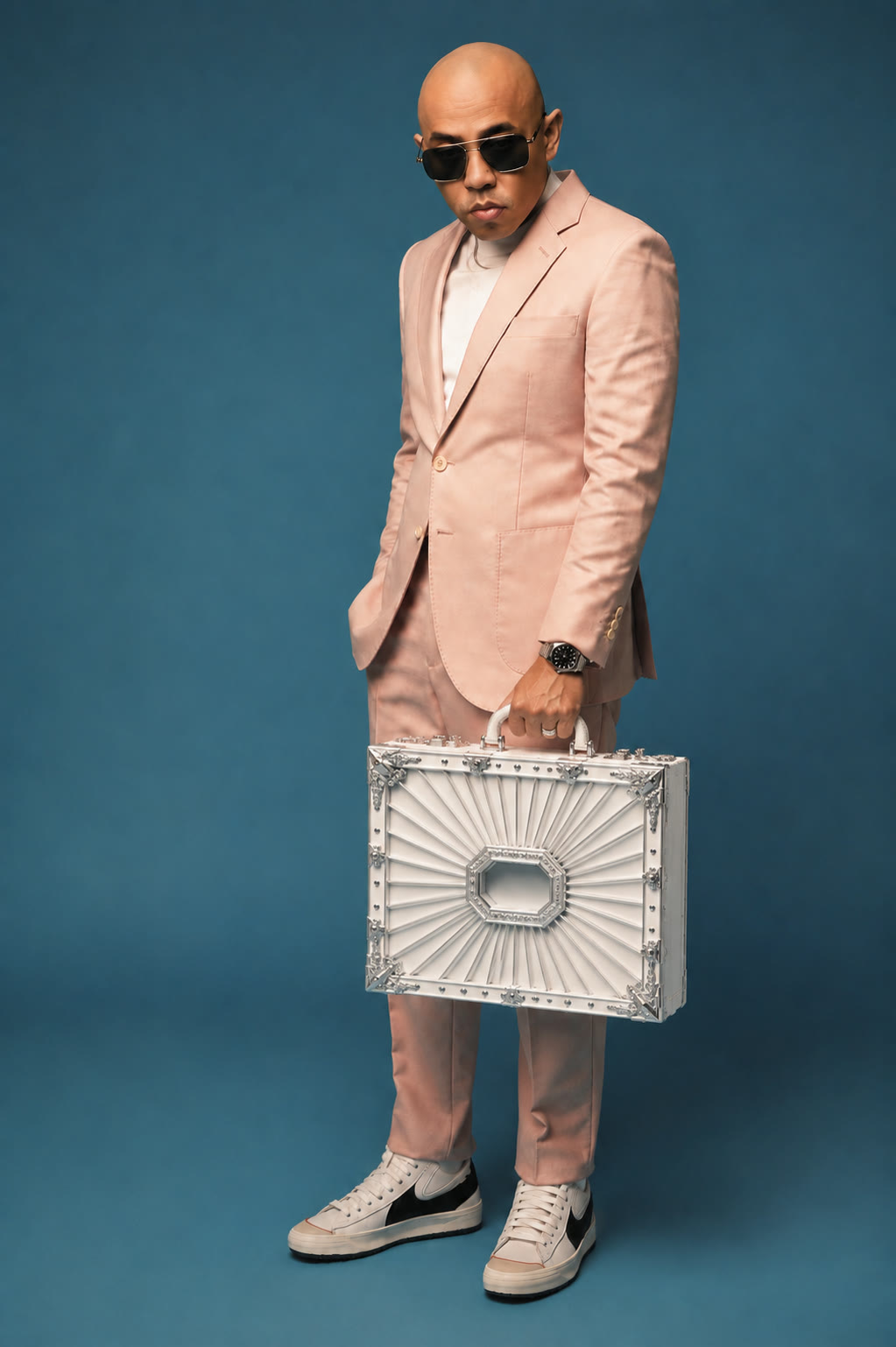
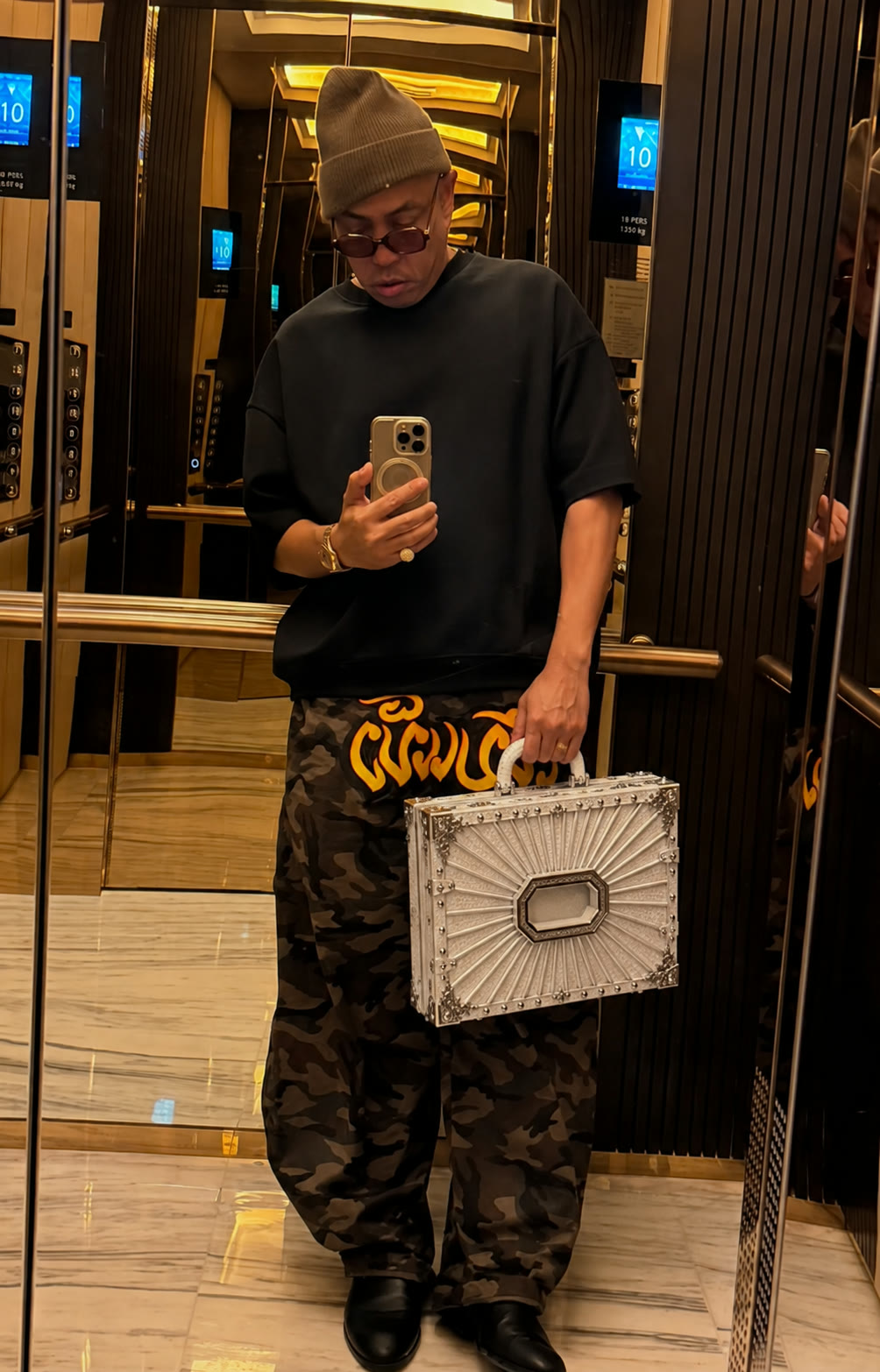
Every reference for iced-out eyewear runs Detroit → New York → Paris. There is no canonical Southeast Asian luxury hip-hop object. Not one. Joe Flizzow is the only person with the standing to authorise the first, and Beon is a Malaysian house with the craft to make it. The interesting question isn't “how do we make a Malaysian version of buffs” — it's what does the first one look like when it isn't a version of anything?
This document, approved. Name, lid, colourway, edition size. Nothing goes to Hong Kong until these four are signed.
The whole visual system stands or falls on these silhouettes. Set them in six different orders and test whether sequence genuinely reads as identity. If it doesn't, the mechanic is a feature and not a campaign — better to know now.
One page: silhouette, materials and colours, logo treatment, interior layout, mechanisms. Plus target edition size, target landed cost per unit, and the launch date. They quote faster and better against a concept than against questions.
Two client references and a physical sample before committing. Tooling cost and who owns it afterwards. Whether our silhouette is exclusive to us or joins their catalogue. Freight HK→KL, duties, and who handles them.
How many rounds are included, and what each extra costs. Budget for two.
Especially the product being worn, and a stone being unscrewed. Cast hands properly. And record the screw sound — it is the audio signature of the entire campaign and it costs nothing to capture.
20-unit minimum on the Trunk Box platform. Number them. Design the edition so it can return — scarcity makes mythology, and a re-release makes heritage.
Answers to these change the work. They are grouped by who has to answer them.
Talent
Approval to use the government name Johan — this is a serious thing to put on a luxury object.
Is there an upcoming Johan album? Public record shows 2020. Does his team want product and discography entangled?
“Berlian” is already his track, with Universal, from March 2024. Clear or avoid?
Permission to quote the white-t-shirt line, credited.
Beon Diamond
Founder and origin story — nothing is public. If one exists it is an unused asset.
How many spare stones actually ship? This decides whether we can publish the arrangements figure.
Are all loose stones lab-grown, including the fancy yellow?
Retail price and edition size.
Existing brand guidelines, typeface, Pantones.
The relationship with Zero Degrees — retail partner, launch venue, or the location the shots happened in?
eazyBox
Does a customised silhouette hold the 20-unit pricing tier?
Lead time for sampling, and for production.
Tooling charge, and who owns the tooling.
Can a faceted or non-rectangular lid be done in leather-wrapped construction, or does it require lacquer?
Sustainability: materials, glued vs mechanically fixed, recycled content.
Exclusivity — ours, or their catalogue?
Can they be credited in the campaign? A named maker is a better story than an anonymous supplier.
Susun sendiri.
Arrange it yourself
The Johan Glasses — Beon Diamond × Joe Flizzow
Packaging, design language and build proposal
Prepared by Zero Degrees · 21 August 2026
Confidential — not for distribution